Coffee Chemistry Article
This time we will explore acetic and malic acid and see how these seemingly simple acids play a major role in coffees complex flavor profile. The judges of the World Barista Championship silently tasted the signature beverage we had created and we waited nervously as they reduced all of our hard work to a single number.
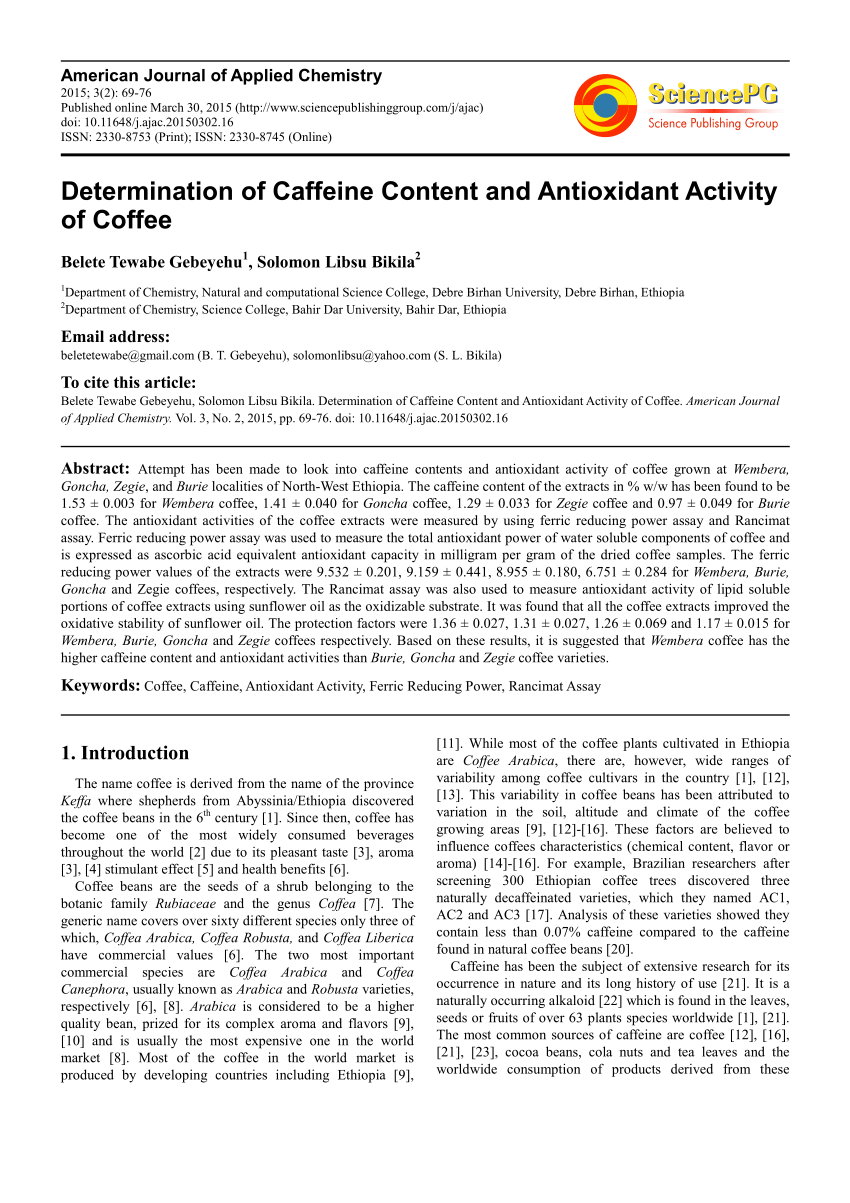 Pdf Determination Of Caffeine Content And Antioxidant Activity Of Coffee
It begins with agronomy biology and genetics at the field level.

Coffee chemistry article. Untargeted LCMS profiling PLS models predict bitterness perception of coffee brew. That can drop to 46 if the coffee is kept hot for two or three hours increasing sourness and also influencing the perceived bitterness. Coffee contains a tremendous number of chemicals with over 1000 aroma compounds.
Chlorogenic acid is one of the major strong antioxidant compounds in coffee5 The antioxidant activity of coffee depends on the chemical composition. A recent claim is that a familiar metal copper could help us beat back the COVID-19 pandemic. Identified ten compounds highly predictive and negatively correlated to bitter intensity.
10 hours agoThe meeting features more than 7000 presentations on a wide range of science topics. In the last issue we briefly discussed the role of quinic caffeic and citric acid and its role in coffees flavor. The seeds job is to provide nutrition to the coffee embryo so that it may one day germinate.
These sugars proteins lipids and minerals are the building blocks for the roasting process. Mention coffee and caffeine is the chemical compound name that immediately springs to mind. The Chemistry of Coffee.
The coffee bean itself is primarily composed of pollysaccarides or sugars but also contains proteins lipids and minerals. A unique concoction of espresso and any noncoffee ingredients except. The image of coffee as a super functional food has helped to.
The major polyphenol in coffee is chlorogenic acid. Brew water containing low levels of both calcium ions and bicarbonate HCO₃. Sometimes you just want a caffeine hit to wake you up but if you appreciate the finer points of a cup of coffee its worth going right down to the chemistry of the water milk sugar.
Coffee scientists may focus on one particular field but a holistic understanding of coffee and coffee. Coffee science is a multidisciplinary field. Unfiltered coffee is a significant source of cafestol and kahweol which are diterpenes that have been implicated in the cholesterol-raising effects of coffee.
Bitter modulators reported to impact coffee brew flavor perception. First water chemistry. Weve known that coffee itself can impact textural sensations and it was traditionally thought to be.
All he had to do was take ground-up coffee. Now scientists have pinpointed molecules that help give coffee a rich texture new findings that could help people make better java. Recombination testing verified three compounds that suppressed bitterness perception.
At this curious competition the best baristas from each country prepare a variety of coffee drinks including the formidable signature beverage. Brew water containing low levels of both calcium ions and bicarbonate HCO 3. 13 hours agoInside Science -- Coffee lovers value not only a strong aroma from a good cup of joe but a sensuous mouthfeel as well.
Given coffee is an acidic beverage the acidity of your brew water can have a big effect. While other chemicals can act as a coffee blend fingerprint Servillo said his homostachydrine method is faster easier and uses cheaper equipment. Copper has natural antibacterial and antiviral properties which seem to come from coppers ability to conduct electricity.
First water chemistry. Then it encompasses chemistry physics and food science throughout the stages of processing shipping roasting and packaging. There is already some basic science to suggest that it might help in some ways.
However whilst caffeines effects on the brain are well documented it binds to adenosine receptors in the brain it has relatively little impact when it. Coffee bioactive components include phenolic compounds chlorogenic acids cafestol and kahweol alkaloids caffeine and trigonelin diterpenes cafestol and kahweol and other secondary metabolites. Welcome back to this third and final issue of organic acids.
Fresh coffee has a pH between 50 and 54. Given coffee is an acidic beverage the acidity of your brew water can have a big effect. Coffee is a complex mixture of chemicals that provides significant amounts of chlorogenic acid and caffeine.
In addition it was observed that the antioxidant activity of coffee varies according to the degree of roasting. If you are looking for antioxidants the most abundant phenolic compounds in coffee are chlorogenic acids CGAs. The Chemistry of Organic Acids in Coffee.
 Pdf Bioactive Micronutrients In Coffee Recent Analytical Approaches For Characterization And Quantification
 Chemical Changes In The Components Of Coffee Beans During Roasting Sciencedirect
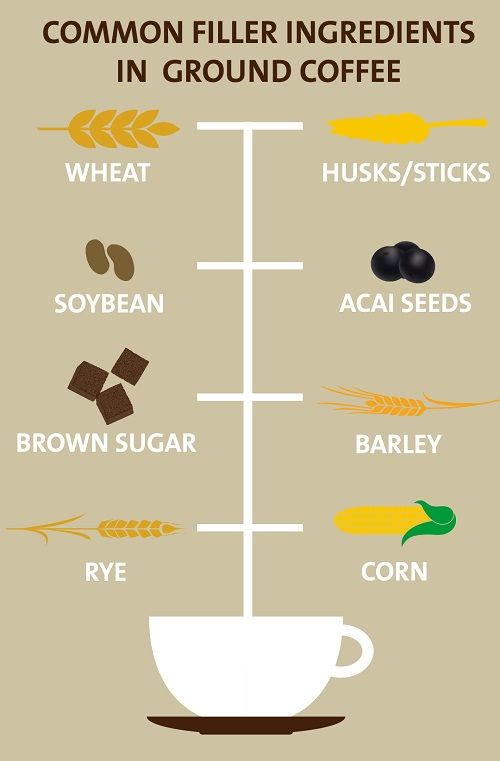 Dirt And Corn Test Reveals Hidden Coffee Ingredients Live Science
 Why Is Coffee Bitter The Chemistry Of Coffee Food Chemistry Chemistry Food Science
 Tweaking Coffee S Flavor Chemistry
 Chemical Composition Of Coffee Download Table
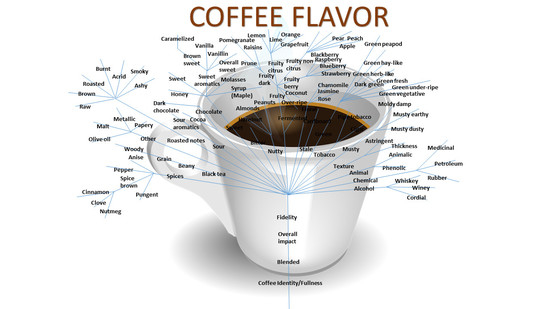 Beverages Free Full Text Coffee Flavor A Review Html
Espresso A Three Step Preparation Chemviews Magazine Chemistryviews
 Typical Chemical Analysis Of Caffeine Caffeine Chemistry Coffee Works Chemistry
 Important Chemical Compounds Already Isolated From Coffee Download Scientific Diagram


Here S Why Coffee Smells So Good
 Unlocking Coffee S Chemical Composition Part 1 Articles Coffee Love Coffee Coffee Cookies
 Chemistry Of Coffee Understanding Decaffeination Processes
 What S In Your Cup 2014 Edition Organic Chemistry Food Chemistry Coffee
 Tweaking Coffee S Flavor Chemistry
 What S That Stuff Instant Coffee
 What S Inside A Cup Of Coffee Wired


Komentar
Posting Komentar